

Clinical Expertise
Peripheral VascularInterventions
Blood vessel disease is not limited to the heart. Dr. Godbole provides evaluation and minimally invasive treatment for disease affecting the arteries of the legs, neck, and kidneys, recognizing that vascular health across the body is closely interconnected with heart health.
Leg Arteries
Peripheral Artery Disease Interventions

Peripheral Artery Disease (PAD) affecting the legs can cause pain on walking, non-healing wounds, and, in severe cases, threaten limb viability. When lifestyle and medical therapy are insufficient, catheter-based treatment can restore blood flow:
- Balloon angioplasty to open narrowed or blocked leg arteries
- Stenting to maintain long-term vessel patency
- Individualized treatment planning based on the location and extent of disease
These minimally invasive techniques can relieve symptoms, improve mobility, and support wound healing in appropriately selected patients.
Stroke Prevention
Carotid Artery Interventions
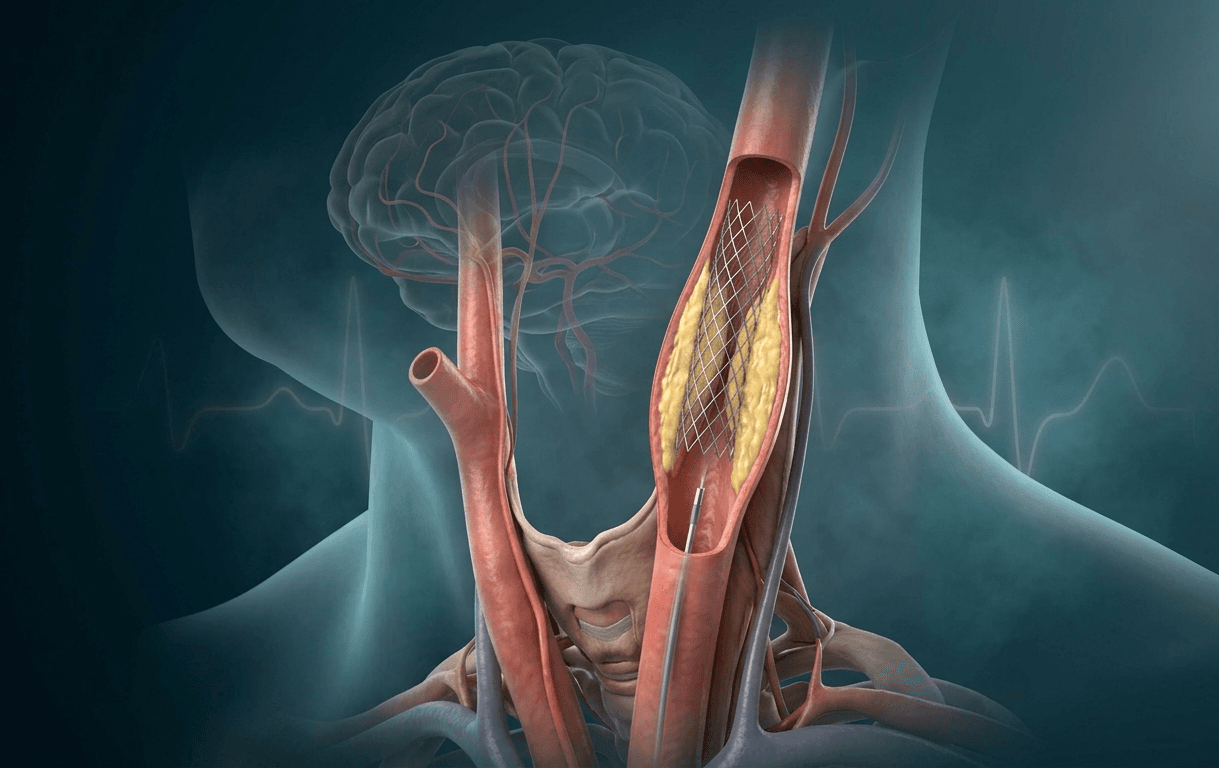
The carotid arteries supply blood to the brain, and significant narrowing increases the risk of stroke. Carotid angioplasty and stenting is a catheter-based alternative to surgery for treating carotid artery narrowing in suitable patients, aimed at reducing stroke risk while minimizing procedural risk.
Renal Arteries
Renal Artery Interventions
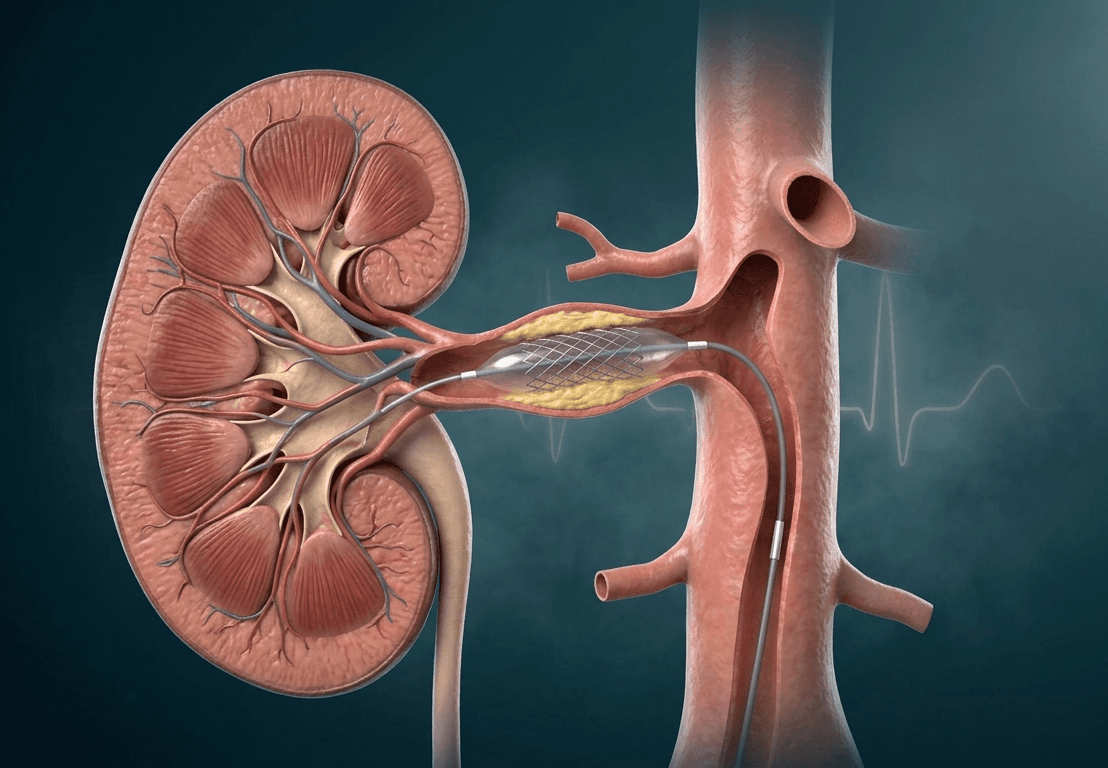
Narrowing of the arteries supplying the kidneys can contribute to difficult-to-control high blood pressure and impaired kidney function. Renal artery interventions, including angioplasty and renal denervation therapy, may be considered in select patients with resistant hypertension, as part of a broader strategy for blood pressure control.
Integrated Care
Vascular Disease Management

Because atherosclerosis often affects multiple vascular territories simultaneously, patients with peripheral vascular disease are also carefully assessed for coexisting coronary and cerebrovascular disease. Management combines:
- Targeted interventional treatment where indicated
- Risk factor control — blood pressure, cholesterol, blood sugar, and smoking cessation
- Long-term surveillance to detect disease progression early
This integrated approach ensures that vascular disease is addressed as part of a patient's overall cardiovascular health, not in isolation.
Consult Dr. Godbole
Vascular care beyond the heart
Circulation problems in the legs, neck, or kidneys deserve the same precision as the heart. It begins with a thorough, unhurried vascular evaluation.
Director & Senior Consultant · Krishna Institute of Medical Sciences (KIMS) Hospital, Electronic City, Bangalore